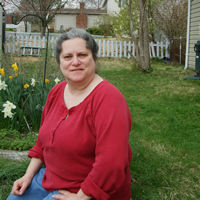
Blessings Darlings!
Back in May I posted about eating weeds, and how bitter some of them are. And WAY back, when I reviewed the Hunger Games books, I posted about how the author had clearly never eaten the dandelions she had her characters eat and enjoy. And folks in Pagan groups online seem to post ALL THE TIME about edible wild plants - "And the seeds of plantain and etc can be ground into flour and cooked and eaten!"
Well, yeah, they can be. But the odds are you aren't going to enjoy eating them. That we know that they can be eaten is not a celebration of edible weeds so much as a commentary on how desperate folks have been in the past, by folks who are NOT desperate, and have never eaten them, today.
Yes, for us preppers and, probably, for us pagans it's important to know options that you have. But that has to be coupled by having actually DONE the things you are telling others can be done. Armchair knowledge without experience is 99% useless.
I LIKE bitter foods, and can't eat most wild greens without 1 - only harvesting the youngest leaves; 2 - soaking them in several changes of CLEAN water before cooking 3 - cooking them; 4 - mixing the with other foods to help hide the bitterness. My husband does NOT like bitter foods - if I was to assume that, in time of Great Need, I could feed him them, and I'd find out right quick that he'd ot be able to choke them down. And a friend HAS gathered and ground seeds from plantain, cooked it, and found it pretty much inedible.
"Intellectually knowing" that something can be done, "Intellectually knowing' how to do something, is not at all the same as having done it. This is both a prepper and an occult fact.
Put down the book. Turn off the internet. Go out there and DO SOMETHING.
Frondly, Fern
Showing posts with label prepper. Show all posts
Showing posts with label prepper. Show all posts
Sunday, July 26, 2015


Monday, February 11, 2013
Hoping for Mud Season
Blessings, Darlings!
I mentioned "mud season" in last week's Imbolc post. For those of you with lawns rather than pasture areas, let me explain this a bit. Mud is what you get when you combine pastures with animals (especially hooved animals) with rain. Mud season is when you have a spring with normal rains.
Unfortunately, most of the US (and a goodly part of the rest of the world) hasn't been having normal mud seasons. The serious drought continues across the US. Worldwide, humans used more wheat than we harvested (and in the the US, most of the wheat is winter wheat, which relies on spring rains, rather than winter wheat which relies on summer rains).

While the area I'm in isn't having a current drought problem, my area isn't the breadbasket of the nation/world. That blighted area of the Great Plains IS that breadbasket. This has been going on for almost a year, and the weather pattern does not seem to be changing at all.
Rains. Long and slow and renewing. We needs it.
Frondly, Fern
I mentioned "mud season" in last week's Imbolc post. For those of you with lawns rather than pasture areas, let me explain this a bit. Mud is what you get when you combine pastures with animals (especially hooved animals) with rain. Mud season is when you have a spring with normal rains.
Unfortunately, most of the US (and a goodly part of the rest of the world) hasn't been having normal mud seasons. The serious drought continues across the US. Worldwide, humans used more wheat than we harvested (and in the the US, most of the wheat is winter wheat, which relies on spring rains, rather than winter wheat which relies on summer rains).

While the area I'm in isn't having a current drought problem, my area isn't the breadbasket of the nation/world. That blighted area of the Great Plains IS that breadbasket. This has been going on for almost a year, and the weather pattern does not seem to be changing at all.
Rains. Long and slow and renewing. We needs it.
Frondly, Fern
Monday, November 19, 2012
Long Term Food Storage
Blessings Darlings!
A few months back I wrote a post that was kind of 'intro to Fern's approach to long term food storage'. Here's the link. As I said, it's an intro - my approach to long-term food storage is calorie based, that is, first I stored the minimum basic calories we'd need, and from there I round it out.
How I round it out is what this post is about.
Again, first I made sure we had a pound of grain per person per day for one year (plus a bit extra for sprouting) rounding THAT up to 400 pounds of grain per person per year. But corn/wheat/rice aren't complete proteins, so relying on those ONLY would cause severe malnutrition. That's what causes the distended bellies in the pictures of starving children. And, obviously, they don't have all the other macro and micro nutrients that a person needs in their diet.
So from that based I added things. First, olive oil, to cover essential fatty acids. Metal cans, stored in the cool basement. It's also nice to fry some food with, adds lots of flavor. Second, a basic supply of a daily vitamin/mineral supplement. Third, covering the proteins.
Actually, I rotate the purchases of all of those. Yes, I buy them in that order, but I don't get ALL of the first before moving on to buying the second or third item.
I have a varied approach to the proteins. As I noted in many other blog posts, I grab fresh meat when it's on sale and usually have a lot in my freezer. That, used sparingly, would kick up the protein in the diet very well, and the fats in it as well as the protein add to the calorie count. After that, I have canned meats, and some freeze-dried meals that have reasonable protein levels. But I don't count on them for the TRULY long-term. For that I have stored dried beans/peas and canned dry milk. About 140 pounds, for the 3 of us, for a 6 month period.
If you look at my approach, it's like a set of concentric circles - like a bull's eye pattern. First circle is basic calories. Second circle are macro & micro nutrients, which I've just outlined. After that there are other circles, like #3 - 'things that help me cook' with tea/coffee, sweeteners, herbs/spices, dried fruits, etc. And #4 - bulk to fill plates/stomachs like dried veggies, etc.
Clearly, no one in my household has either celiac disease or are diabetics. My circles are what works for THIS family. Your family may have different things in each circle.
I've read of some people whose approach is to have oil, vitamins, and protein supplements as their first circle, saying that will prevent starvation, then go to all grains/fruits/vegetables in outer circles. It's not my approach, but they looked at THEIR needs and made their best decisions.
So, that's how we do it at Chez Fern.
Frondly, Fern
A few months back I wrote a post that was kind of 'intro to Fern's approach to long term food storage'. Here's the link. As I said, it's an intro - my approach to long-term food storage is calorie based, that is, first I stored the minimum basic calories we'd need, and from there I round it out.
How I round it out is what this post is about.
Again, first I made sure we had a pound of grain per person per day for one year (plus a bit extra for sprouting) rounding THAT up to 400 pounds of grain per person per year. But corn/wheat/rice aren't complete proteins, so relying on those ONLY would cause severe malnutrition. That's what causes the distended bellies in the pictures of starving children. And, obviously, they don't have all the other macro and micro nutrients that a person needs in their diet.
So from that based I added things. First, olive oil, to cover essential fatty acids. Metal cans, stored in the cool basement. It's also nice to fry some food with, adds lots of flavor. Second, a basic supply of a daily vitamin/mineral supplement. Third, covering the proteins.
Actually, I rotate the purchases of all of those. Yes, I buy them in that order, but I don't get ALL of the first before moving on to buying the second or third item.
I have a varied approach to the proteins. As I noted in many other blog posts, I grab fresh meat when it's on sale and usually have a lot in my freezer. That, used sparingly, would kick up the protein in the diet very well, and the fats in it as well as the protein add to the calorie count. After that, I have canned meats, and some freeze-dried meals that have reasonable protein levels. But I don't count on them for the TRULY long-term. For that I have stored dried beans/peas and canned dry milk. About 140 pounds, for the 3 of us, for a 6 month period.
If you look at my approach, it's like a set of concentric circles - like a bull's eye pattern. First circle is basic calories. Second circle are macro & micro nutrients, which I've just outlined. After that there are other circles, like #3 - 'things that help me cook' with tea/coffee, sweeteners, herbs/spices, dried fruits, etc. And #4 - bulk to fill plates/stomachs like dried veggies, etc.
Clearly, no one in my household has either celiac disease or are diabetics. My circles are what works for THIS family. Your family may have different things in each circle.
I've read of some people whose approach is to have oil, vitamins, and protein supplements as their first circle, saying that will prevent starvation, then go to all grains/fruits/vegetables in outer circles. It's not my approach, but they looked at THEIR needs and made their best decisions.
So, that's how we do it at Chez Fern.
Frondly, Fern
Tuesday, October 30, 2012
Obligatory Sandy Post
Blessings Darlings!
Hurricane Sandy has just about finished having her way with my area now. Howling winds, torrential rains, 5 leaks in the house, etc. We didn't lose power, in fact very few in our county have lost power - probably because the derecho took down most of the at-risk trees at the end of June!
Being a prepper, I didn't have to hit the store for supplies. I did hit the stores before the storm because the Spawn wanted to make lasagna so he gave me $ and a shopping list. Most of the other carts had one or two cases of bottled water and other supplies each. Which was a surprise .... Spawn had mentioned that when he hit Walmart for catfood the place was sold out of water. I guess the supermarket had a new supply come in. Cases of water being easy to spot in carts I notice them, but didn't feel the need to examine carts closely to see what else folks were getting at the last minute. There was no run on ricotta, crushed tomatoes, mozarella, etc.
Just because I didn't 'shop for the storm' doesn't mean that I didn't do some preparing over the weekend. I did all the laundry - even changing linens a day early. I filled two 2-gallon buckets with water for dishwashing if power went out. I worked on the back log of ironing. I made sure all the carpets were vacuumed. All cell phones and computers were charged. I made sure that the camping stove and some fuel were in the house, not the detached garage. I moved all loose stuff from around the house into the garages. I made and bagged ice and filled the freezer. The usual stuff before storms.
The leaks were surprises, even tho' all were on the windward side. Not that I'm saying that McMansions are well built - I'm TOTALLY not saying that. First the frame around the front door - from bad construction of the tiny ... 'not porch' over the front door. Then a leak in the garage - bad intersection of the side of house with the 'bump' on the first floor to make it a two car garage. Then the leak by the window frame facing the wind. Then a second leak in the garage. THEN the leak in the foundation, soaking part of the carpeting in the finished basement, causing wet spots in the drywall, putting two book shelves full of books and software at risk ... because there wasn't proper drainage around the house - the hill drains towards the house and construction hadn't included a ditch to divert the water.
Those extra empty frosting buckets from Walmart were put to use, and I preventing more serious damage in the basement by using the carpet shampooer to suck up the water from the carpeting ... every one hour at first, then every two hours, then every 3 as the storm passed. If we had lost power I'd have used every dang towel in the house, and possibly have pulled up the carpeting and padding to protect it.
Now that things are calmer, I'm going to haul bones out of the freezer and start some more stock. It's gotten cold out and I want to make soup.
Frondly, Fern
Hurricane Sandy has just about finished having her way with my area now. Howling winds, torrential rains, 5 leaks in the house, etc. We didn't lose power, in fact very few in our county have lost power - probably because the derecho took down most of the at-risk trees at the end of June!
Being a prepper, I didn't have to hit the store for supplies. I did hit the stores before the storm because the Spawn wanted to make lasagna so he gave me $ and a shopping list. Most of the other carts had one or two cases of bottled water and other supplies each. Which was a surprise .... Spawn had mentioned that when he hit Walmart for catfood the place was sold out of water. I guess the supermarket had a new supply come in. Cases of water being easy to spot in carts I notice them, but didn't feel the need to examine carts closely to see what else folks were getting at the last minute. There was no run on ricotta, crushed tomatoes, mozarella, etc.
Just because I didn't 'shop for the storm' doesn't mean that I didn't do some preparing over the weekend. I did all the laundry - even changing linens a day early. I filled two 2-gallon buckets with water for dishwashing if power went out. I worked on the back log of ironing. I made sure all the carpets were vacuumed. All cell phones and computers were charged. I made sure that the camping stove and some fuel were in the house, not the detached garage. I moved all loose stuff from around the house into the garages. I made and bagged ice and filled the freezer. The usual stuff before storms.
The leaks were surprises, even tho' all were on the windward side. Not that I'm saying that McMansions are well built - I'm TOTALLY not saying that. First the frame around the front door - from bad construction of the tiny ... 'not porch' over the front door. Then a leak in the garage - bad intersection of the side of house with the 'bump' on the first floor to make it a two car garage. Then the leak by the window frame facing the wind. Then a second leak in the garage. THEN the leak in the foundation, soaking part of the carpeting in the finished basement, causing wet spots in the drywall, putting two book shelves full of books and software at risk ... because there wasn't proper drainage around the house - the hill drains towards the house and construction hadn't included a ditch to divert the water.
Those extra empty frosting buckets from Walmart were put to use, and I preventing more serious damage in the basement by using the carpet shampooer to suck up the water from the carpeting ... every one hour at first, then every two hours, then every 3 as the storm passed. If we had lost power I'd have used every dang towel in the house, and possibly have pulled up the carpeting and padding to protect it.
Now that things are calmer, I'm going to haul bones out of the freezer and start some more stock. It's gotten cold out and I want to make soup.
Frondly, Fern
Thursday, October 25, 2012
Emergency!
Blessings Darlings!
The other day, in "The Life You Save", I pointed out how a volunteer firefighter was useless in the face of an emergency. She's no longer my problem now that I don't work with her. My problem is that the Chubby Hubby is useless in most emergencies!
Take that one Christmas. At 5:30 that cold morning we were awakened to the sight of a car on fire across the street. Turned out that an arsonist had lit 4 cars in our city and the close by village, and one was across the street from us. My husband stood at the window in his tighty whities staring at the fire. I called 911, and got dressed. He did eventually dress and join me and the neighbors outside as we did what we could with fire extinguishers (useless) and moved nearby cars.
Or take the day the Spawn was stung by a bee at school. I was working outside the home at the time, so it must have been towards the end of grammar school, say 5th grade. Sting was by eye, it was near the end of the day - they removed stinger and had CH pick Spawn up. CH called me in a panic about what to do. Okay, CH, here's what you do: give him a dose of Benadryl, give him some ice in a washcloth for the eye, if he starts swelling up and/or has trouble breathing go to the ER, and if you're still nervous call the pediatrician for more info. And I told my boss I needed to leave for a family emergency - because my husband was melting down over the Spawn's bee sting. For the record, Spawn had been stung before, and has no known allergy to bee stings. I got home in time to get the return phone call from the Dr's office. The nurse agreed with all I'd told the CH.
There was the recent incident when he got lightheaded the day after his abcessed tooth was removed and he was on HEAPS of antibiotics ... but you get the picture.
The time *I* am the one ill or injured I'm going to be in a heap of trouble, because he won't be useful. When I had a year of stomach trouble, he kept pushing me to have milk 'to settle my stomach'. It turned out I was lactose intolerant, FFS.
Help!
Frondly, Fern
The other day, in "The Life You Save", I pointed out how a volunteer firefighter was useless in the face of an emergency. She's no longer my problem now that I don't work with her. My problem is that the Chubby Hubby is useless in most emergencies!
Take that one Christmas. At 5:30 that cold morning we were awakened to the sight of a car on fire across the street. Turned out that an arsonist had lit 4 cars in our city and the close by village, and one was across the street from us. My husband stood at the window in his tighty whities staring at the fire. I called 911, and got dressed. He did eventually dress and join me and the neighbors outside as we did what we could with fire extinguishers (useless) and moved nearby cars.
Or take the day the Spawn was stung by a bee at school. I was working outside the home at the time, so it must have been towards the end of grammar school, say 5th grade. Sting was by eye, it was near the end of the day - they removed stinger and had CH pick Spawn up. CH called me in a panic about what to do. Okay, CH, here's what you do: give him a dose of Benadryl, give him some ice in a washcloth for the eye, if he starts swelling up and/or has trouble breathing go to the ER, and if you're still nervous call the pediatrician for more info. And I told my boss I needed to leave for a family emergency - because my husband was melting down over the Spawn's bee sting. For the record, Spawn had been stung before, and has no known allergy to bee stings. I got home in time to get the return phone call from the Dr's office. The nurse agreed with all I'd told the CH.
There was the recent incident when he got lightheaded the day after his abcessed tooth was removed and he was on HEAPS of antibiotics ... but you get the picture.
The time *I* am the one ill or injured I'm going to be in a heap of trouble, because he won't be useful. When I had a year of stomach trouble, he kept pushing me to have milk 'to settle my stomach'. It turned out I was lactose intolerant, FFS.
Help!
Frondly, Fern
Friday, October 19, 2012
Man Down!
Blessings Darlings!
I have a VERY good first aid kit. Full boxes of face masks and bandages and other supplies, full bottles of alcohol and such, lots of pressure wraps, 1st aid book, arm slings, eye patches, etc.
Yesterday it came into use.
I was outside hanging laundry. The Chubby Hubby decided he wanted breakfast, came up to the kitchen to pour a bowl of cereal/etc. Discovering he was too low on cereal for a full bowl, he headed down to my office to grab a fresh box of cereal. Box in hand, he hurried back upstairs ...
and tripped on the stairs. Landing hard and at an awkward position on his right leg - momentum making that awkward knee/leg alignment taking even more of an impact than his already too-substantial weight. Pain ensued.
I came back in at this point, finding him gasping in pain. Quick evaluation - whatever it is, we don't have a car to get it X-rayed right now. He didn't hear a pop (he wouldn't have, even if there WAS on, his hearing rather sucks), nor did he feel a pop (better evidence than his hearing). RICE is clearly called for - Rest, Ice, Compression, Elevation. He agreed to only some of that. He can't work in the lab with Elevation, but I can be his servant for getting things (rest), I grabbed compression wraps from the 1st aid kit and snugly wrapped the knee (compression), and I filled a bag with crushed ice and tied it on to his knee. And he grabbed some NSAIDs.
The compression made an IMMEDIATE difference in how the knee felt when moved. And the knee didn't hurt when NOT being moved or when NOT bent. He also didn't feel anything inside 'rubbing oddly' or 'rolling around' when moving.
Today the knee is not as painful when bent. He's still avoiding bending it, it's been re-wrapped for compression after his shower, etc. There is no 'unsteadiness' in walking on it when unwrapped. So he PROBABLY didn't tear anything.
It seems to me that being able to immediately compression wrap the knee made a huge difference. It didn't swell, complicating anything. It made the CH feel better - always a good thing. I didn't have the stress of knowing what to do but NOT having the supplies on hand, nor a car to get the supplies. Biking or walking to the store could have been done, but being cash-strapped just now buying the supplies would have been another stress.
Also, I just got off of chat with NARIC, the National Rehabilitation Information Center. They are a not-very-well-known font of information and referrals. I only know about them because some of folks there are friends of mine. If you need info on ANY sort of rehab issues, they are the folks to ask.
Clearly this 'event' is not yet over. But at least it seems to be moving in the right direction.
Frondly, Fern
I have a VERY good first aid kit. Full boxes of face masks and bandages and other supplies, full bottles of alcohol and such, lots of pressure wraps, 1st aid book, arm slings, eye patches, etc.
Yesterday it came into use.
I was outside hanging laundry. The Chubby Hubby decided he wanted breakfast, came up to the kitchen to pour a bowl of cereal/etc. Discovering he was too low on cereal for a full bowl, he headed down to my office to grab a fresh box of cereal. Box in hand, he hurried back upstairs ...
and tripped on the stairs. Landing hard and at an awkward position on his right leg - momentum making that awkward knee/leg alignment taking even more of an impact than his already too-substantial weight. Pain ensued.
I came back in at this point, finding him gasping in pain. Quick evaluation - whatever it is, we don't have a car to get it X-rayed right now. He didn't hear a pop (he wouldn't have, even if there WAS on, his hearing rather sucks), nor did he feel a pop (better evidence than his hearing). RICE is clearly called for - Rest, Ice, Compression, Elevation. He agreed to only some of that. He can't work in the lab with Elevation, but I can be his servant for getting things (rest), I grabbed compression wraps from the 1st aid kit and snugly wrapped the knee (compression), and I filled a bag with crushed ice and tied it on to his knee. And he grabbed some NSAIDs.
The compression made an IMMEDIATE difference in how the knee felt when moved. And the knee didn't hurt when NOT being moved or when NOT bent. He also didn't feel anything inside 'rubbing oddly' or 'rolling around' when moving.
Today the knee is not as painful when bent. He's still avoiding bending it, it's been re-wrapped for compression after his shower, etc. There is no 'unsteadiness' in walking on it when unwrapped. So he PROBABLY didn't tear anything.
It seems to me that being able to immediately compression wrap the knee made a huge difference. It didn't swell, complicating anything. It made the CH feel better - always a good thing. I didn't have the stress of knowing what to do but NOT having the supplies on hand, nor a car to get the supplies. Biking or walking to the store could have been done, but being cash-strapped just now buying the supplies would have been another stress.
Also, I just got off of chat with NARIC, the National Rehabilitation Information Center. They are a not-very-well-known font of information and referrals. I only know about them because some of folks there are friends of mine. If you need info on ANY sort of rehab issues, they are the folks to ask.
Clearly this 'event' is not yet over. But at least it seems to be moving in the right direction.
Frondly, Fern
Tuesday, September 11, 2012
Lenten Traditions
Blessings Darlings!
Yes, I know we're closer to Advent than Lent if you look at the Christian liturgical calendar.
As you may have already picked up, I'm a moderate Doomer. I think that our society is facing problems (mostly End of Oil and Climate Change) that we are not at all facing, and that are making our shaky economy fail. Because of this I see 'getting by' as getting harder and harder in the future. I'm not saying that civilization itself is going to fail. But it will change. And there will be very Hungry Times. The human population will be reduced to what the earth can really support without the help of fossil and nuclear fuels.
It won't be pretty.
I'm learning skills to help me thru' the change. And .... looking at the past for lessons for today.
So, this afternoon I was planting onion sets, to provide a bit of fresh green onions for winter. Which got me to thinking about winters without fresh veggies, and the impact on the body. Especially the impact of folic acid deficiency and birth defects, when it hit me. Lent!
Traditionally during Lent meat was off the menu - it was likely to have run out by then anyway. And the grain might have been running out. And your body was low on folic acid from the winter as it was. Getting pregnant at that time would have led to lots of birth defects in the spina bifida range.
So what did European tradition call for? Lent. Forty days or so of not just no meat, but no sex. Which was the best way to prevent pregnancy at the time. Not eating meat, and it being the hungry time of year, the menu would have relied on any early greens you could find. Yes, Hunger Games lovers, that includes dandelions. But also lovely early peas (and pea shoots), mustard greens, collards might be coming up again, spinach, lettuce - all those early crops. What do all those early crops have in common? High levels of folic acid. And great levels of beta carotene/vitamin A as well, another important thing in early pregnancy.
So by the time sex was allowed again after Easter, women's bodies were up to healthy levels of important vitamins. The risk of conceiving a child with birth defects was lower.
Pregnancy isn't an issue for me anymore, but vitamin deficiency could well be during the Hungry Times. Sprouts will help this type of thing.
Frondly, Fern
Yes, I know we're closer to Advent than Lent if you look at the Christian liturgical calendar.
As you may have already picked up, I'm a moderate Doomer. I think that our society is facing problems (mostly End of Oil and Climate Change) that we are not at all facing, and that are making our shaky economy fail. Because of this I see 'getting by' as getting harder and harder in the future. I'm not saying that civilization itself is going to fail. But it will change. And there will be very Hungry Times. The human population will be reduced to what the earth can really support without the help of fossil and nuclear fuels.
It won't be pretty.
I'm learning skills to help me thru' the change. And .... looking at the past for lessons for today.
So, this afternoon I was planting onion sets, to provide a bit of fresh green onions for winter. Which got me to thinking about winters without fresh veggies, and the impact on the body. Especially the impact of folic acid deficiency and birth defects, when it hit me. Lent!
Traditionally during Lent meat was off the menu - it was likely to have run out by then anyway. And the grain might have been running out. And your body was low on folic acid from the winter as it was. Getting pregnant at that time would have led to lots of birth defects in the spina bifida range.
So what did European tradition call for? Lent. Forty days or so of not just no meat, but no sex. Which was the best way to prevent pregnancy at the time. Not eating meat, and it being the hungry time of year, the menu would have relied on any early greens you could find. Yes, Hunger Games lovers, that includes dandelions. But also lovely early peas (and pea shoots), mustard greens, collards might be coming up again, spinach, lettuce - all those early crops. What do all those early crops have in common? High levels of folic acid. And great levels of beta carotene/vitamin A as well, another important thing in early pregnancy.
So by the time sex was allowed again after Easter, women's bodies were up to healthy levels of important vitamins. The risk of conceiving a child with birth defects was lower.
Pregnancy isn't an issue for me anymore, but vitamin deficiency could well be during the Hungry Times. Sprouts will help this type of thing.
Frondly, Fern
Monday, September 10, 2012
Battle Cry!
Blessings Darlings!
I was just clued into a neat blog by woman who works with the Morrighu. It's a WONDERFUL read. Skitter your butts over there.
http://shield-maiden.blogspot.com/2012/09/why-we-fight.html
Frondly, Fern
I was just clued into a neat blog by woman who works with the Morrighu. It's a WONDERFUL read. Skitter your butts over there.
http://shield-maiden.blogspot.com/2012/09/why-we-fight.html
Frondly, Fern
Wednesday, September 5, 2012
Today's Haul
Blessings Darlings!
Just in from the garden and tabulating today's frugal harvest:
2 cucs, 9 oz total
1 zuc, 12 oz
green beans, 12 oz
Tomatoes are still totally green. Vines from the purple sweet potatoes still trying to take over the garden, but I have no clue if the sweet potatoes are growing under the earth. No sprouts yet from the lettuce and spinach.
We ARE falling behind in eating the beans and cucs, so Suz is going to get some as gifts. If we can work out our schedules!
Frondly, Fern
Just in from the garden and tabulating today's frugal harvest:
2 cucs, 9 oz total
1 zuc, 12 oz
green beans, 12 oz
Tomatoes are still totally green. Vines from the purple sweet potatoes still trying to take over the garden, but I have no clue if the sweet potatoes are growing under the earth. No sprouts yet from the lettuce and spinach.
We ARE falling behind in eating the beans and cucs, so Suz is going to get some as gifts. If we can work out our schedules!
Frondly, Fern
Friday, August 10, 2012
Survival Calories
Blessings Darlings!
You already know that I encourage all y'all have a survival store of food (and water) in your house so you're covered for emergencies like the recent power outages, or snowstorms, or whatever. So I saw a link to an article on "A Year of Food Storage for $300 for a family of FOUR !! " and had to check it out. Here's the link: http://americanpreppersnetwork.com/2012/08/a-year-of-food-storage-for-300-for-a-family-of-four.html#comment-27897
And ..... if you relied on that for a year of food for 4 people, you'd starve. Never mind the lack of vitamin A, C, Calcium, etc - I sat down with a calculator and the USDA nutritional database and worked out the calories. If you made the soup out of it that she recommends, and carefully rationed it so each batch fed 4 people over 2 days .... each person would get 415 calories a day. Okay, she says to add a table spoon of oil (not included in her 'to buy' list, or priced in), that would raise the amount of calories per person per day by 13.
Anything under 900 calories a day is considered a starvation diet .... for a sedentary person. In a survival situation while you MAY be hiding in a bunker .... if you're going to be making this long-simmered soup you're going to need fuel for a fire and water. Cutting wood and hauling water, while very Zen, take a heck of a lot of calories.
In response to some of my objections, one woman said she lived for 40 days on only V8 and vitamins. Sure, it can be done - it would cause some real harm to a growing child. And a friend of mine says he lived for 3 months on just mushrooms and cocaine. You can be pretty sure he wasn't felling trees during that time.
Short term you can get away with that, if you aren't doing much physical labor. A sedentary adult woman burns 10 calories a day per pound of body weight, a sedentary man about 12, just to cover basic body functioning. If you sit on your butt all day AND have a good layer of fat, you can fast a good while. But in a real crisis situation, you're going to be working HARDER, since you won't have electricity and all our electric-based slaves. Find and haul water. Find, chop, and haul wood. Have enough wood to cook the soup for an hour or two (chickpeas take rather a while to cook). Eat. Clean up - more water and fire! Care for your garden, by hand. Fence your garden, by hand. Expand your garden, by hand. Forage for wild foods. Wash clothes by hand. Wring clothes by hand. Dig latrines. Knit. Repair clothes. Preserve food if you have a surplus - going to build a solar dehydrator? Etc. Will you be building or rebuilding houses, or roads, or digging out collapsed buildings to find either survivors or supplies? Could be.
More calories will be needed, not less. Back in the day - looking at serfs in England - each adult male would eat two pounds of bread a day plus anything else they could get. Two pounds of wheat alone would be 3700 calories.
Frondly, Fern
You already know that I encourage all y'all have a survival store of food (and water) in your house so you're covered for emergencies like the recent power outages, or snowstorms, or whatever. So I saw a link to an article on "A Year of Food Storage for $300 for a family of FOUR !! " and had to check it out. Here's the link: http://americanpreppersnetwork.com/2012/08/a-year-of-food-storage-for-300-for-a-family-of-four.html#comment-27897
And ..... if you relied on that for a year of food for 4 people, you'd starve. Never mind the lack of vitamin A, C, Calcium, etc - I sat down with a calculator and the USDA nutritional database and worked out the calories. If you made the soup out of it that she recommends, and carefully rationed it so each batch fed 4 people over 2 days .... each person would get 415 calories a day. Okay, she says to add a table spoon of oil (not included in her 'to buy' list, or priced in), that would raise the amount of calories per person per day by 13.
Anything under 900 calories a day is considered a starvation diet .... for a sedentary person. In a survival situation while you MAY be hiding in a bunker .... if you're going to be making this long-simmered soup you're going to need fuel for a fire and water. Cutting wood and hauling water, while very Zen, take a heck of a lot of calories.
In response to some of my objections, one woman said she lived for 40 days on only V8 and vitamins. Sure, it can be done - it would cause some real harm to a growing child. And a friend of mine says he lived for 3 months on just mushrooms and cocaine. You can be pretty sure he wasn't felling trees during that time.
Short term you can get away with that, if you aren't doing much physical labor. A sedentary adult woman burns 10 calories a day per pound of body weight, a sedentary man about 12, just to cover basic body functioning. If you sit on your butt all day AND have a good layer of fat, you can fast a good while. But in a real crisis situation, you're going to be working HARDER, since you won't have electricity and all our electric-based slaves. Find and haul water. Find, chop, and haul wood. Have enough wood to cook the soup for an hour or two (chickpeas take rather a while to cook). Eat. Clean up - more water and fire! Care for your garden, by hand. Fence your garden, by hand. Expand your garden, by hand. Forage for wild foods. Wash clothes by hand. Wring clothes by hand. Dig latrines. Knit. Repair clothes. Preserve food if you have a surplus - going to build a solar dehydrator? Etc. Will you be building or rebuilding houses, or roads, or digging out collapsed buildings to find either survivors or supplies? Could be.
More calories will be needed, not less. Back in the day - looking at serfs in England - each adult male would eat two pounds of bread a day plus anything else they could get. Two pounds of wheat alone would be 3700 calories.
Frondly, Fern
Thursday, June 7, 2012
Slightly Off Grid
Blessings Darlings!
All household computers are either unplugged or turned off (or both) as we have a loud active thunderstorm going on right now. Power surges and electronics don't make for happy households or businesses, you see.
Problems with technology here started rather earlier today, however. By noon we were not able to either make or receive long distance phone calls. Being a bit behind in many of our bills I made sure that payment wasn't a problem (it seemed unlikely, since I was able to make local calls and our local carrier handles our LD, too. Plus, I couldn't even make 800 calls). No, no holds on our account, but it was the first they'd heard of problems in our area. Well, yeah - I couldn't even call THEM on THEIR 800 number, I had to call using a cell phone with a different network to reach them.
But we still had internet and power, so we could communicate with our customers via e-mail.
Well, UPS got here about 3 pm, and filled me in that NO ONE in the area has LD phone service .... and if you had internet thru' the phone company you are SOL.
So it looks like NOT bundling all information services thru' one provider is a Very Good Thing. Internet thru' Comcast, land lines with Frontier, cell phones with AT&T and Sprint, has given us ways to communicate even with Frontier phones and internet down.
It's not a deep a back up as having a ham radio set up, but it will do for today!
Frondly, Fern
All household computers are either unplugged or turned off (or both) as we have a loud active thunderstorm going on right now. Power surges and electronics don't make for happy households or businesses, you see.
Problems with technology here started rather earlier today, however. By noon we were not able to either make or receive long distance phone calls. Being a bit behind in many of our bills I made sure that payment wasn't a problem (it seemed unlikely, since I was able to make local calls and our local carrier handles our LD, too. Plus, I couldn't even make 800 calls). No, no holds on our account, but it was the first they'd heard of problems in our area. Well, yeah - I couldn't even call THEM on THEIR 800 number, I had to call using a cell phone with a different network to reach them.
But we still had internet and power, so we could communicate with our customers via e-mail.
Well, UPS got here about 3 pm, and filled me in that NO ONE in the area has LD phone service .... and if you had internet thru' the phone company you are SOL.
So it looks like NOT bundling all information services thru' one provider is a Very Good Thing. Internet thru' Comcast, land lines with Frontier, cell phones with AT&T and Sprint, has given us ways to communicate even with Frontier phones and internet down.
It's not a deep a back up as having a ham radio set up, but it will do for today!
Frondly, Fern
Tuesday, June 5, 2012
Doomsday Preppers
Blessings Darlings!
There has been some discussion online about what Nat Geo's intention was in airing the show - was it to encourage prepping? To make preppers look odd? Something else? So I figured I'd activate my sleeper cell over at Nat Geo and get the inside story.
The story is about .... eyeballs. Ratings. Viewers. Apparently, what people watching TV want to watch is shows about people mostly like them .... but with an interesting difference. So middle class people who look at the problems around the world and DO something to prepare to weather them made it to TV.
Actually, Nat Geo doesn't even produce Doomsday Preppers themselves, it comes from a third party company, so Nat Geo doesn't do the editing or selecting families or anything. Nat Geo has more than one show dedicated to groups that, while the members are still part of society, they do or believe something somewhat .... fringe. I don't know if all of the series about 'fringe' folks are from 3rd party companies or not.
Word is that the third party company couldn't find folks outside of the US who prep. Which tells ME that preppers outside of the US have better OPSEC than US preppers have. Nat Geo seems to feel that means that folks outside of the US don't feel they'd survive doomsday.
Frondly, Fern
There has been some discussion online about what Nat Geo's intention was in airing the show - was it to encourage prepping? To make preppers look odd? Something else? So I figured I'd activate my sleeper cell over at Nat Geo and get the inside story.
The story is about .... eyeballs. Ratings. Viewers. Apparently, what people watching TV want to watch is shows about people mostly like them .... but with an interesting difference. So middle class people who look at the problems around the world and DO something to prepare to weather them made it to TV.
Actually, Nat Geo doesn't even produce Doomsday Preppers themselves, it comes from a third party company, so Nat Geo doesn't do the editing or selecting families or anything. Nat Geo has more than one show dedicated to groups that, while the members are still part of society, they do or believe something somewhat .... fringe. I don't know if all of the series about 'fringe' folks are from 3rd party companies or not.
Word is that the third party company couldn't find folks outside of the US who prep. Which tells ME that preppers outside of the US have better OPSEC than US preppers have. Nat Geo seems to feel that means that folks outside of the US don't feel they'd survive doomsday.
Frondly, Fern
Monday, April 23, 2012
Wildcrafting: Plantain
Blessings Darlings!
We are finally getting rain here in the northern Blue Ridge Mountains. We were at about half our normal rain for the year, with yesterday and today (today be Sunday) we might get up to 65% of normal. The grass and fields planted in winter wheat are loving it - they were both VERY unhappy about the lack of rain.
The wild greens are loving it, too. We've moved out of dandelion and chickweed seasons (well, I have one patch of chickweed on the north side of the house I will harvest tomorrow, but that's it) and moved into the dock and plantain seasons. Today, out in the cold rain, I harvested a scant quart of plantain. Here are some pictures of it. I have both the narrow and broad leaf varieties in the yard, but I harvest the broad leaf.
Most parts of the plantain plant can be used, either for food or healing. If you have a choice, the best parts for eating are young leaves. The leaves get tough later. And while the seeds are often listed as an item 'Indians ground and used for bread' ... that speaks more for how hungry folks got rather than the taste of the seeds, says a friend who tried doing that.
I'm going to use these as the greens in soup, with canned or dry tomatoes, whole wheat pasta or wheat berries, chickpeas, wild onion, and some asparagus.
What's fresh and tasty in your land base?
Frondly, Fern
We are finally getting rain here in the northern Blue Ridge Mountains. We were at about half our normal rain for the year, with yesterday and today (today be Sunday) we might get up to 65% of normal. The grass and fields planted in winter wheat are loving it - they were both VERY unhappy about the lack of rain.
The wild greens are loving it, too. We've moved out of dandelion and chickweed seasons (well, I have one patch of chickweed on the north side of the house I will harvest tomorrow, but that's it) and moved into the dock and plantain seasons. Today, out in the cold rain, I harvested a scant quart of plantain. Here are some pictures of it. I have both the narrow and broad leaf varieties in the yard, but I harvest the broad leaf.
Most parts of the plantain plant can be used, either for food or healing. If you have a choice, the best parts for eating are young leaves. The leaves get tough later. And while the seeds are often listed as an item 'Indians ground and used for bread' ... that speaks more for how hungry folks got rather than the taste of the seeds, says a friend who tried doing that.
I'm going to use these as the greens in soup, with canned or dry tomatoes, whole wheat pasta or wheat berries, chickpeas, wild onion, and some asparagus.
What's fresh and tasty in your land base?
Frondly, Fern
Wednesday, March 28, 2012
Planting Taters
Blessings Darlings!
I have a LONG list of things to blog about, but have been too busy to blog. But since I threw out my back yesterday just getting READY to plant potatoes .... I'm taking a few minutes to write a bit while the pain killers kick in today.
I didn't muck up my back this time as badly as I did last year. This year I was just carrying too much weight in manure to the garden and my back said no. So I stopped. But did get back to it today, carrying lighter loads.
PLUS I changed how I was going to plant the potatoes. No hills this year. No working with the clay soil with them at all. Nor am I doing anything like 'official' raised beds. No, this year I'm using garbage bags.
I still have some big black 45 gallon trash bags that we used when moving - for transporting clothes that were in closets on hangers (bunch about 10 - 15 items on hangers together in closet. Take a big garbage bag, bag the clothes from the bottom to the top-by-the-hanger. Tape bag shut around narrow part of hanger). They were kind of beaten up by the move, had tape on 'em, some have holes.
So I took them to the garden. Put in a layer of straw 4 - 6 inches deep. Dumped a 3.5 - 4 gallon bucket of well-aged horse manure on top of that. Add two seed potatoes, there will be plenty of room for two plants. Top with 4 inches of loose straw - more will be added when the vines start. I had enough manure to get 6 bags, 12 plants, started.
Lazy? Yes. More manure than they needed? Probably. Will the bags last the season? Yes, I think so. Will they last more than one summer? Heck no. Could I get something done without making my back worse? YES! And that was REALLY important today. Almost magical. Totally Kitchen Witchy.
Potatoes are a planting priority for me this year, since I'm planting both calories and nutrition. A bushel of lettuce is great to eat, but in hard times it won't keep you alive as long as a bushel of potatoes. It's just part of my survival / prepper / preparedness approach.
Frondly, Fern
I have a LONG list of things to blog about, but have been too busy to blog. But since I threw out my back yesterday just getting READY to plant potatoes .... I'm taking a few minutes to write a bit while the pain killers kick in today.
I didn't muck up my back this time as badly as I did last year. This year I was just carrying too much weight in manure to the garden and my back said no. So I stopped. But did get back to it today, carrying lighter loads.
PLUS I changed how I was going to plant the potatoes. No hills this year. No working with the clay soil with them at all. Nor am I doing anything like 'official' raised beds. No, this year I'm using garbage bags.
I still have some big black 45 gallon trash bags that we used when moving - for transporting clothes that were in closets on hangers (bunch about 10 - 15 items on hangers together in closet. Take a big garbage bag, bag the clothes from the bottom to the top-by-the-hanger. Tape bag shut around narrow part of hanger). They were kind of beaten up by the move, had tape on 'em, some have holes.
So I took them to the garden. Put in a layer of straw 4 - 6 inches deep. Dumped a 3.5 - 4 gallon bucket of well-aged horse manure on top of that. Add two seed potatoes, there will be plenty of room for two plants. Top with 4 inches of loose straw - more will be added when the vines start. I had enough manure to get 6 bags, 12 plants, started.
Lazy? Yes. More manure than they needed? Probably. Will the bags last the season? Yes, I think so. Will they last more than one summer? Heck no. Could I get something done without making my back worse? YES! And that was REALLY important today. Almost magical. Totally Kitchen Witchy.
Potatoes are a planting priority for me this year, since I'm planting both calories and nutrition. A bushel of lettuce is great to eat, but in hard times it won't keep you alive as long as a bushel of potatoes. It's just part of my survival / prepper / preparedness approach.
Frondly, Fern
Friday, March 16, 2012
Herb Garden Plan
Blessings Darlings!
I've sort of decided to put in a raised herb garden in the front yard. However, I suspect the Chubby Hubby is going to tell me to have it elsewhere, because he thinks that flowers and such belong in a front yard and useful stuff in a back 40.
So I'm not really sure WHERE it will go.
OTOH, I've decided that it will probably be made of 8 railroad tie type wooden beams, stacked two deep, held in place by drilling two holes (one at each end) of them and pounding a 12 inch metal stake thru' them into the ground. So the area will be, I dunno 4' by 4' or 5' by 5', whatever length they come in.
The ground within will be lined heavily with newpaper, my usual approach for smothering grass and weeds. Then I'll dump the contents of my 'compost bin' - the 30 gallon garbage can I've put all our kitchen waste in for the past year - on top of that. And in will go my seedlings, as well as any herbs I have to buy since the rosemary seeds, among a few other herbs, haven't sprouted.
I'll need to buy some peppermint, too, to put somewhere where it won't be a problem. It can be VERY invasive, but like many of the herbs its flower attract bees by the bushel and thus help keep bees going strong and help insure that pollinators come visit all my plants. Which is important to the vegetable garden!
How does your garden grow?
Frondly, Fern
I've sort of decided to put in a raised herb garden in the front yard. However, I suspect the Chubby Hubby is going to tell me to have it elsewhere, because he thinks that flowers and such belong in a front yard and useful stuff in a back 40.
So I'm not really sure WHERE it will go.
OTOH, I've decided that it will probably be made of 8 railroad tie type wooden beams, stacked two deep, held in place by drilling two holes (one at each end) of them and pounding a 12 inch metal stake thru' them into the ground. So the area will be, I dunno 4' by 4' or 5' by 5', whatever length they come in.
The ground within will be lined heavily with newpaper, my usual approach for smothering grass and weeds. Then I'll dump the contents of my 'compost bin' - the 30 gallon garbage can I've put all our kitchen waste in for the past year - on top of that. And in will go my seedlings, as well as any herbs I have to buy since the rosemary seeds, among a few other herbs, haven't sprouted.
I'll need to buy some peppermint, too, to put somewhere where it won't be a problem. It can be VERY invasive, but like many of the herbs its flower attract bees by the bushel and thus help keep bees going strong and help insure that pollinators come visit all my plants. Which is important to the vegetable garden!
How does your garden grow?
Frondly, Fern
Monday, March 5, 2012
Jerky!
Blessings Darlings!
I made my first batch of jerky! And it's GOOD!
You see, a big ol' whole rump or round roast was at a good price at Costco. So I grabbed it. I used some immediately for fried rice. I canned some, for stews later.
Then I sliced thin two pounds of it, added a marinade (I practically grabbed the marinade recipe at random from the internet), let it sit overnight, then slapped it into the dehydrator. Later in the day, it was done.
Easy peasy.
And remember, I don't have a great dehydrator. Mine doesn't have a variable heat setting, but DOES have a fan.
Everyone in the family likes it. No one has had food poisoning. My son gave some to one of his managers at work, and HE likes it (he doesn't have to lie to me, either).
Yay!
Since cheap tough meat is still on sale, I may well make more. Actually, I had BETTER make more .... this stuff's going FAST.
Actually, I'd love to make some salmon jerky, if I can do that with previously-frozen fillets. Has anyone tried that?
Frondly, Fern
I made my first batch of jerky! And it's GOOD!
You see, a big ol' whole rump or round roast was at a good price at Costco. So I grabbed it. I used some immediately for fried rice. I canned some, for stews later.
Then I sliced thin two pounds of it, added a marinade (I practically grabbed the marinade recipe at random from the internet), let it sit overnight, then slapped it into the dehydrator. Later in the day, it was done.
Easy peasy.
And remember, I don't have a great dehydrator. Mine doesn't have a variable heat setting, but DOES have a fan.
Everyone in the family likes it. No one has had food poisoning. My son gave some to one of his managers at work, and HE likes it (he doesn't have to lie to me, either).
Yay!
Since cheap tough meat is still on sale, I may well make more. Actually, I had BETTER make more .... this stuff's going FAST.
Actually, I'd love to make some salmon jerky, if I can do that with previously-frozen fillets. Has anyone tried that?
Frondly, Fern
Friday, February 24, 2012
Squash Plant Pests
Blessings Darlings!
Lately lots of folks have been blogging about their plans for their upcoming gardens, and sighing about he bug-based problems they encountered last year. I know that my neighbors and I had LOTS of problems with our squash from bugs, both from them simply sucking the life out of the leaves and from them turning the vines to mush.
Now, unlike my neighbors, I DID get a really good crop before the bugs toasted the squash plants. But my squash season ended earlier than it had to. I don't want a repeat of that.
This year I plan on dealing with the insect problems better than I did last year. Which is why I've been researching the problems and solutions NOW.
VINES TURNED TO MUSH
The biggest problem, which killed the plants totally, was that the vine turned mushy not far from the roots. So mushy that the vine literally detached from the roots!
Cause:
I knew that this was a result of squash vine borers in the stem mucking about first, and now know that the mucking about allowed the vine to get infected and turn to goo.
This year's approach:
First, I'm going to plant the vines farther apart - I had them too close last year so I had a hard time finding and treating ANY problems, as well as a hard time harvesting!
The vine borers like the first foot or so of the vine, I will check it often for signs of rot. If there IS rot I'm going to cut into the vine and squish the borers, then work on re-rooting the vine farther along it's length. Like about a foot farther down it's length. To do this I'll anoint the vine with rooting hormone and mound earth over that part of the vine, topped with some compost or plastic to help keep it moist. Once new roots form I'll cut off the vine on the 'old root' side of the new roots, to try to keep the rot away.
University of Illinois - where I was an agriculture major - says that the ONLY pesticide that squash borers are not immune to is carbaryl (I have NO clue what that is), and to try applying it once a week. I'm not trying that myself.
SUCKING BUGS ATTACKING LEAVES
We had a really nasty infestation of these, but while they reduced harvest they didn't kill the entire plant.
Cause:
We had two different insects at work here in the Mid Atlantic: regular old squash bugs as well as stink bugs. They act the same, they are treated the same, they even look pretty much the same - both 'shield bugs' type. They have different colored eggs, but they are the same size, both lay 'em under leaves, and both lay them in the same pattern.
This year's approach:
First, since I've already determined to have the plants farther apart, I'll be able to check the leaves for egg masses better. Once found, I'll squish those egg masses! I may put boards down for the bugs to gather under and squish them there, too. Yes, both types of insects CAN smell bad when squished.
I might also try diatomaceous earth on these buggers and see if that helps. Pyrethrins are my back-up plan, if needed.
BACTERIAL WILT
This wilt can kill a plant in 6 weeks, sometimes even before it fruits at all. It's not a problem I've had ... yet. But I'm preparing.
Cause:
A bacteria - but it's carried/spread by cucumber beetles. Smalllish, striped beetles. If you don't have the beetles you won't have the problem.
This year's approach:
Keeping alert for the beetles will be the first thing. If I see them I'll probably do the diatomaceous earth, or if needed go for rotenone.
These are the main threats to your garden's squash supply. With out them, two hills of zucchini will feed a small army. With them, you may not get any zucs, let alone any more nutritious hard squashes.
Frondly, Fern.
Lately lots of folks have been blogging about their plans for their upcoming gardens, and sighing about he bug-based problems they encountered last year. I know that my neighbors and I had LOTS of problems with our squash from bugs, both from them simply sucking the life out of the leaves and from them turning the vines to mush.
Now, unlike my neighbors, I DID get a really good crop before the bugs toasted the squash plants. But my squash season ended earlier than it had to. I don't want a repeat of that.
This year I plan on dealing with the insect problems better than I did last year. Which is why I've been researching the problems and solutions NOW.
VINES TURNED TO MUSH
The biggest problem, which killed the plants totally, was that the vine turned mushy not far from the roots. So mushy that the vine literally detached from the roots!
Cause:
I knew that this was a result of squash vine borers in the stem mucking about first, and now know that the mucking about allowed the vine to get infected and turn to goo.
This year's approach:
First, I'm going to plant the vines farther apart - I had them too close last year so I had a hard time finding and treating ANY problems, as well as a hard time harvesting!
The vine borers like the first foot or so of the vine, I will check it often for signs of rot. If there IS rot I'm going to cut into the vine and squish the borers, then work on re-rooting the vine farther along it's length. Like about a foot farther down it's length. To do this I'll anoint the vine with rooting hormone and mound earth over that part of the vine, topped with some compost or plastic to help keep it moist. Once new roots form I'll cut off the vine on the 'old root' side of the new roots, to try to keep the rot away.
University of Illinois - where I was an agriculture major - says that the ONLY pesticide that squash borers are not immune to is carbaryl (I have NO clue what that is), and to try applying it once a week. I'm not trying that myself.
SUCKING BUGS ATTACKING LEAVES
We had a really nasty infestation of these, but while they reduced harvest they didn't kill the entire plant.
Cause:
We had two different insects at work here in the Mid Atlantic: regular old squash bugs as well as stink bugs. They act the same, they are treated the same, they even look pretty much the same - both 'shield bugs' type. They have different colored eggs, but they are the same size, both lay 'em under leaves, and both lay them in the same pattern.
This year's approach:
First, since I've already determined to have the plants farther apart, I'll be able to check the leaves for egg masses better. Once found, I'll squish those egg masses! I may put boards down for the bugs to gather under and squish them there, too. Yes, both types of insects CAN smell bad when squished.
I might also try diatomaceous earth on these buggers and see if that helps. Pyrethrins are my back-up plan, if needed.
BACTERIAL WILT
This wilt can kill a plant in 6 weeks, sometimes even before it fruits at all. It's not a problem I've had ... yet. But I'm preparing.
Cause:
A bacteria - but it's carried/spread by cucumber beetles. Smalllish, striped beetles. If you don't have the beetles you won't have the problem.
This year's approach:
Keeping alert for the beetles will be the first thing. If I see them I'll probably do the diatomaceous earth, or if needed go for rotenone.
These are the main threats to your garden's squash supply. With out them, two hills of zucchini will feed a small army. With them, you may not get any zucs, let alone any more nutritious hard squashes.
Frondly, Fern.
Thursday, February 23, 2012
Garden Time!
Blessings Darlings!
Now that it's February it's time to start your garden.
Yes really.
Time to map out what you want to plant, and where, in your garden. And in what order: if you plan on planting some spreading vine type plants (squash, sweet potatoes) you can put early harvested crops (spinach, lettuce, radishes, turnips) in the path of those vines. You'll have eaten and/or stored the food by the time the vines reach that part of the garden.
Order a few seed catalogs to look over vegetable varieties and get an idea of what area they take up by the time they're harvested.
It's also time to start seeds. I've started herbs and onions so far - not that they are starting well. Being low on money I'm using OLD seeds, and only the thyme is doing really well, Still, one parsley seed is up, a bit of oregano, one red onion. There's still time for them .... and it's not like my house is kept at 70 degrees as they'd like!
I'll be starting more seeds today, Gods willing and if the creek don't rise.
I don't use grow lights or any fancy set up. I'm using a sunny room, south and west exposures. I'm starting the seeds in potting soil and using egg cartons instead of pots. They are set in old baking pans. I'm REALLY low tech here (oh, the irony!).
In a month or so they'll be day tripping on the deck on warm days to start hardening off.
Considering all the challenges my gardening faced last year (clearing sod, wet spring, drought in summer) I had GREAT crops. I'm hoping to do as well this year .... AND have better deer protection!
The garden is a fundamental part of everything in both the preparedness / prepper / survival / survivalist line AND in the broke / cheap / cheap eats / broke line as well. Start now. You won't regret it.
Frondly, Fern
Now that it's February it's time to start your garden.
Yes really.
Time to map out what you want to plant, and where, in your garden. And in what order: if you plan on planting some spreading vine type plants (squash, sweet potatoes) you can put early harvested crops (spinach, lettuce, radishes, turnips) in the path of those vines. You'll have eaten and/or stored the food by the time the vines reach that part of the garden.
Order a few seed catalogs to look over vegetable varieties and get an idea of what area they take up by the time they're harvested.
It's also time to start seeds. I've started herbs and onions so far - not that they are starting well. Being low on money I'm using OLD seeds, and only the thyme is doing really well, Still, one parsley seed is up, a bit of oregano, one red onion. There's still time for them .... and it's not like my house is kept at 70 degrees as they'd like!
I'll be starting more seeds today, Gods willing and if the creek don't rise.
I don't use grow lights or any fancy set up. I'm using a sunny room, south and west exposures. I'm starting the seeds in potting soil and using egg cartons instead of pots. They are set in old baking pans. I'm REALLY low tech here (oh, the irony!).
In a month or so they'll be day tripping on the deck on warm days to start hardening off.
Considering all the challenges my gardening faced last year (clearing sod, wet spring, drought in summer) I had GREAT crops. I'm hoping to do as well this year .... AND have better deer protection!
The garden is a fundamental part of everything in both the preparedness / prepper / survival / survivalist line AND in the broke / cheap / cheap eats / broke line as well. Start now. You won't regret it.
Frondly, Fern
Wednesday, February 1, 2012
Crumbs
Blessings Darlings!
The Julian calendar says today is Imbolc - which is a milestone and high day to be sure, but it's still just the middle of the 'hungry time of the year'. So making food stores get thru' till first good harvest is still a priority, especially for those of us who farm and/or garden.
Part of the art of frugality (and surviving, and MacGyverism in general) is the 'expanding the marginal utility' of everything. You know - re-use, re-purpose, re-cycle type mind set. Like - I just started onion seeds in egg cartons.
That's a feature in my kitchen as well. Not JUST pre-planning use of leftovers, tho' I certainly do that.
Let's talk bread.
We who make our own bread know that it has, especially in winter, a variable lead time from starting it to getting it on the table. Yeast prefers warm weather, and we who use as little heat as possible have house temperatures that vary greatly day to day. This is because, while I raise the temperature for a few hours in the morning and evening, after that the rate at which the house temperature drops varies by how cold and windy it is outside. So I have to pre-emptively bake bread, anticipating need.
I don't always do this well. Sometimes I get a lot of bread in the house at once, and there is risk of some of it getting moldy before it all gets used. That's where making bread cube dressings for chickens and such comes into play, or making bread puddings, etc.
So the LOAVES can have their marginal utility expanding. But what about bread crumbs? After all, slicing that lovely, crusty home-made bread really does produce a heck of a lot more crumbs than you get buying pre-sliced bread!
First, how would you collect the crumbs from slicing? In my case, I've set it up so the cutting board we use for bread sits in a low-sided quarter baking sheet. It nests very nicely! Slice bread, the crumbs stay contained. And they build up FAST.
So, you have lots of crumbs, now what? First you use them in the dishes that normally require bread crumbs - topping casseroles, frying foods, buttered crumbs on veggies, etc. But when the Chubby Hubby or the Spawn leave slices of bread out that they've cut badly (like, they only got half a slice, etc) then I end up with LOTS of stale bread and crumbs. What then?
The you look online, and find lots of recipes for cookies made from bread crumbs! They aren't half bad, either. I'd share them, but I really haven't changed them at all, and I don't have the links handy (Printed them out LONG age).
Crumbs. They're for dinner. And dessert.
Frondly, Fern
The Julian calendar says today is Imbolc - which is a milestone and high day to be sure, but it's still just the middle of the 'hungry time of the year'. So making food stores get thru' till first good harvest is still a priority, especially for those of us who farm and/or garden.
Part of the art of frugality (and surviving, and MacGyverism in general) is the 'expanding the marginal utility' of everything. You know - re-use, re-purpose, re-cycle type mind set. Like - I just started onion seeds in egg cartons.
That's a feature in my kitchen as well. Not JUST pre-planning use of leftovers, tho' I certainly do that.
Let's talk bread.
We who make our own bread know that it has, especially in winter, a variable lead time from starting it to getting it on the table. Yeast prefers warm weather, and we who use as little heat as possible have house temperatures that vary greatly day to day. This is because, while I raise the temperature for a few hours in the morning and evening, after that the rate at which the house temperature drops varies by how cold and windy it is outside. So I have to pre-emptively bake bread, anticipating need.
I don't always do this well. Sometimes I get a lot of bread in the house at once, and there is risk of some of it getting moldy before it all gets used. That's where making bread cube dressings for chickens and such comes into play, or making bread puddings, etc.
So the LOAVES can have their marginal utility expanding. But what about bread crumbs? After all, slicing that lovely, crusty home-made bread really does produce a heck of a lot more crumbs than you get buying pre-sliced bread!
First, how would you collect the crumbs from slicing? In my case, I've set it up so the cutting board we use for bread sits in a low-sided quarter baking sheet. It nests very nicely! Slice bread, the crumbs stay contained. And they build up FAST.
So, you have lots of crumbs, now what? First you use them in the dishes that normally require bread crumbs - topping casseroles, frying foods, buttered crumbs on veggies, etc. But when the Chubby Hubby or the Spawn leave slices of bread out that they've cut badly (like, they only got half a slice, etc) then I end up with LOTS of stale bread and crumbs. What then?
The you look online, and find lots of recipes for cookies made from bread crumbs! They aren't half bad, either. I'd share them, but I really haven't changed them at all, and I don't have the links handy (Printed them out LONG age).
Crumbs. They're for dinner. And dessert.
Frondly, Fern
Wednesday, January 25, 2012
Kotatsu Heating
Blessings Darlings!
Winter has finally arrived here on the east coast of the US. It's 31 degrees F as I type, and not due to get much warmed today. A second round of freezing rain is due tonight/early tomorrow morning. Nothing particularly out of the ordinary.
Being broke, cheap, and green, I keep the heat here turned low. The house is set for 60 F right now. Spawn has a tiny space heater he occasionally runs in his bedroom, Chubby Hubby has a larger space heater in his lab. My areas - the kitchen and my office - have no space heaters. I feel the cold less than they do, for one thing. Second, when I'm in the kitchen I'm cooking and otherwise moving.
But in my office I'm sitting at my desk all day. And my office is in the basement. With the heat vent closed. What I do to keep warm on days like today is, well, first line of defense is dressing warmly, but what I'm typing about today is a modification on the Japanese Kotatsu heating system.
Kotatsu heating is having a small heating element under the table you are working at. Houses in Japan aren't the Tyvak'd air-tight things we aim for here in the US - they allow air in, so here weren't problems with carbon monoxide poisoning! So you'd have the tiny smoldering fire under the table, a light table cloths, and you'd be kept warm in a cold room.
Now they use electric heaters.
Me, I've got another system going. I have one light tea light candle, in a glass jar. My desk has a partition (so my legs don't show if you were sitting across from me) so that side holds in the heat, and it has sides on the left and right. My legs go into the cubby hole ... and I have attached a curtain (using Velcro) to that opening. This keeps the heat in.
It really makes a HUGE difference in my comfort level on cold days. I'm not saying my upper back is very warm, it's not (I might put on a sweater on colder days), but my legs are VERY happy and my hands are very happy (I can put them under the curtain for warmth, but they don't seem to need that with my legs warm.).
And tea candles are cheap! Craft stores have them for about a dime each on sale, and I get the for way less at garage sales.
One candle. An unused piece of material. Hours of warmth for a nickle.
I'm a happy Fern.
Frondly, Fern
Winter has finally arrived here on the east coast of the US. It's 31 degrees F as I type, and not due to get much warmed today. A second round of freezing rain is due tonight/early tomorrow morning. Nothing particularly out of the ordinary.
Being broke, cheap, and green, I keep the heat here turned low. The house is set for 60 F right now. Spawn has a tiny space heater he occasionally runs in his bedroom, Chubby Hubby has a larger space heater in his lab. My areas - the kitchen and my office - have no space heaters. I feel the cold less than they do, for one thing. Second, when I'm in the kitchen I'm cooking and otherwise moving.
But in my office I'm sitting at my desk all day. And my office is in the basement. With the heat vent closed. What I do to keep warm on days like today is, well, first line of defense is dressing warmly, but what I'm typing about today is a modification on the Japanese Kotatsu heating system.
Kotatsu heating is having a small heating element under the table you are working at. Houses in Japan aren't the Tyvak'd air-tight things we aim for here in the US - they allow air in, so here weren't problems with carbon monoxide poisoning! So you'd have the tiny smoldering fire under the table, a light table cloths, and you'd be kept warm in a cold room.
Now they use electric heaters.
Me, I've got another system going. I have one light tea light candle, in a glass jar. My desk has a partition (so my legs don't show if you were sitting across from me) so that side holds in the heat, and it has sides on the left and right. My legs go into the cubby hole ... and I have attached a curtain (using Velcro) to that opening. This keeps the heat in.
It really makes a HUGE difference in my comfort level on cold days. I'm not saying my upper back is very warm, it's not (I might put on a sweater on colder days), but my legs are VERY happy and my hands are very happy (I can put them under the curtain for warmth, but they don't seem to need that with my legs warm.).
And tea candles are cheap! Craft stores have them for about a dime each on sale, and I get the for way less at garage sales.
One candle. An unused piece of material. Hours of warmth for a nickle.
I'm a happy Fern.
Frondly, Fern
Subscribe to:
Posts (Atom)